[MOVIE]
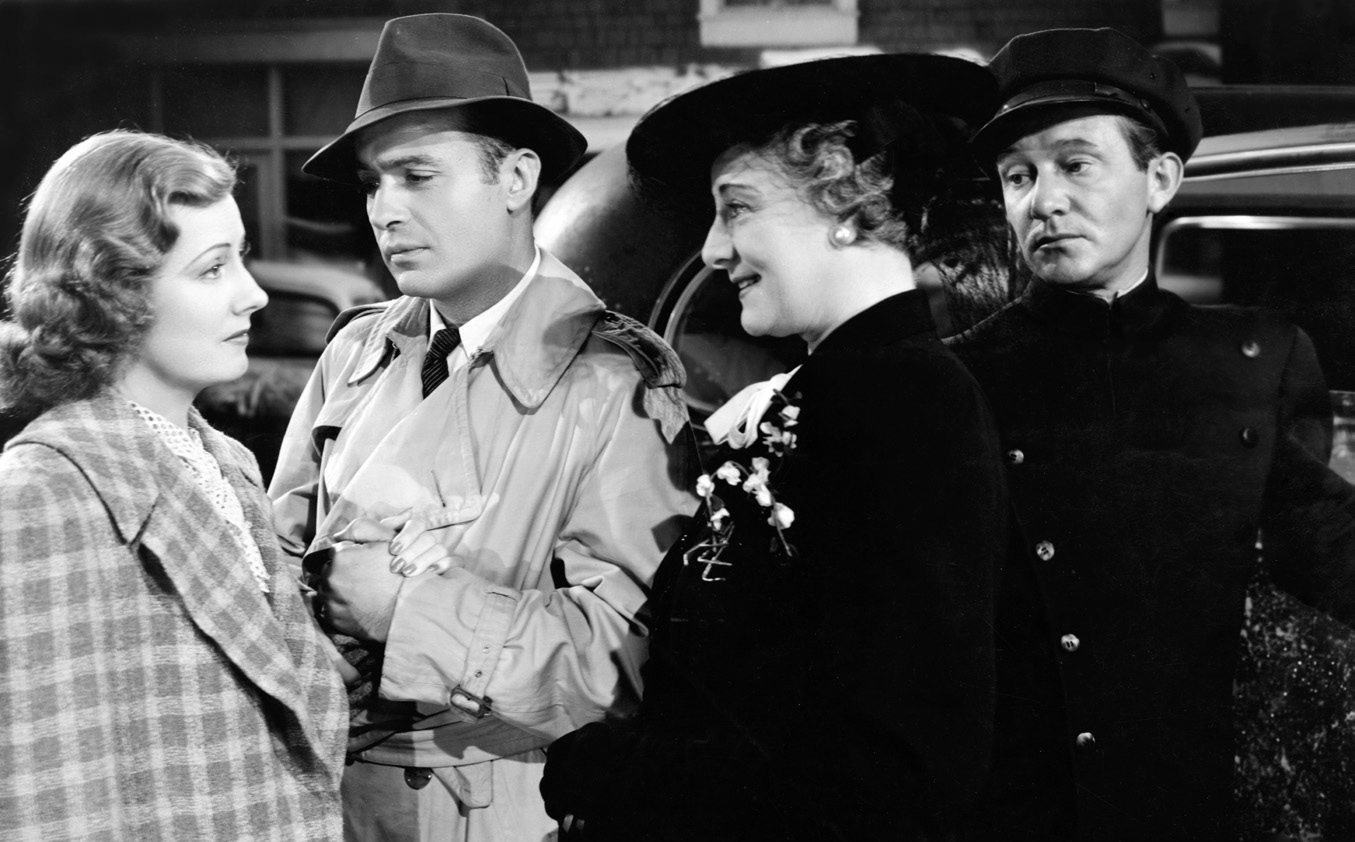
Sog.: dal racconto A Modern Cinderella di James M. Cain. Scen.: Dwight Taylor. F.: John J. Mescall. M.: Milton Carruth. Scgf.: Jack Otterson. Mus.: Frank Skinner (non accreditato). Int.: Irene Dunne (Helen Lawrence), Charles Boyer (Philip Chagal), Barbara O’Neil (Madeleine Chagal), Onslow Stevens (Jim Holden), Nydia Westman (Lulu), Nella Walker (Betty Dumont), Fritz Feld (Nicholas). Prod.: Universal Pictures. 35mm. D.: 90’. Bn.
Edition History
Thematically, we can see this as the final film in an unofficial 1930s trilogy directed by John M. Stahl for Universal. Back Street (1932) and Only Yesterday (1933) traced a devoted woman’s bitter-sweet love affair with a married man over many frustrating years. When Tomorrow Comes concentrates a similar story into a three-day span: Charles Boyer’s pianist is less selfish than the bankers played by John Boles in the earlier films, but his sudden passionate romance with Irene Dunne’s waitress is blocked by the fact of his marriage to an unstable woman whom he cannot abandon. Dunne’s roles for Stahl in effect constitute a second trilogy: she was the mistress in Back Street, and then the long-suffering heroine of Magnificent Obsession (1935), widowed, blinded in a car accident, but slowly finding a new happiness. Her role in this third film confirms both her status as one of Hollywood’s great actresses, and Stahl’s intense empathy with women and their aspirations. And in retrospect we can identify a third trilogy: this is the third of Stahl’s films that would be remade in the 1950s, also for Universal, by Douglas Sirk. In contrast to the debates over the Stahl and Sirk versions of Magnificent Obsession and Imitation of Life, no-one surely could dispute the superiority of When Tomorrow Comes over Sirk’s loose 1957 remake, Interlude. The romantic narrative of Stahl’s film is rooted in its historical moment: the spectacular storm and flood scenes are based on 1938 events in New York, while Boyer’s sad departure for Europe at the end gains extra poignancy from the date of the film’s release in August 1939.
Charles Barr

Given that it repeats the idea of a couple taking shelter in a flooded church and as a result of certain imprudent declarations by Douglas Sirk, who made a fairly insipid version of the film in 1957, this movie has often been presented as an adaptation of “Serenade”. The real story, however, is that one day James Cain submitted a modern version of Cinderella to Collier’s lead editor. The magazine turned the manuscript down, probably, as the author suggests, because it gave too much space to union battles. The work was finally published as late as 1952 under the title of “The Root of His Evil”, but in 1937 Cain had already sold the rights to Universal who had appointed James Stahl to make a film of it. Making the film proved rather laborious. Over twenty writers worked on the screenplay and when shooting began, a definitive version was still not ready. Despite huge differences in tone, the director managed to maintain a reasonable degree of consistency. “Always preferring to observe his characters from a distance in the hope of explaining them, rather than draw close to them in approval or condemnation, Stahl in fact describes the conventional Hollywood vision of love as paradise, only to demonstrate that this particular paradise, adjoined by the hell of the other woman [Madeleine], can only be a limbo” (Tom Milne, Monthly Film Bulletin, Nov. 1981). In 1939 the film won an Oscar for best soundtrack.
Jean-Marie Buchet – Cinématèque Royale de Belgique

Restoration credits
Print edited from a
positive nitrate held by Gosfilmofond